Implementation completed about two weeks after inquiry. Orders from overseas customers are now handled smoothly as well (TOLO coffee&bakery)
This time, we spoke with Mr. Sato, the owner of the café “TOLO coffee&bakery” located in Setagaya, Tokyo. Triggered by the COVID-19 pandemic, they began considering a system that would enable contactless and efficient ordering, and in February 2023 they introduced Respo Self-Order. By allowing customers to complete their orders on their own, operational efficiency has improved. Mr. Sato shared with us the effects after introducing Respo Self-Order and how customers have been responding.
Creation date: 2023年9月11日
Update date: 2026年2月26日

Table of contents
Low running costs and ease of implementation were the deciding factors
— Could you tell me about your shop?
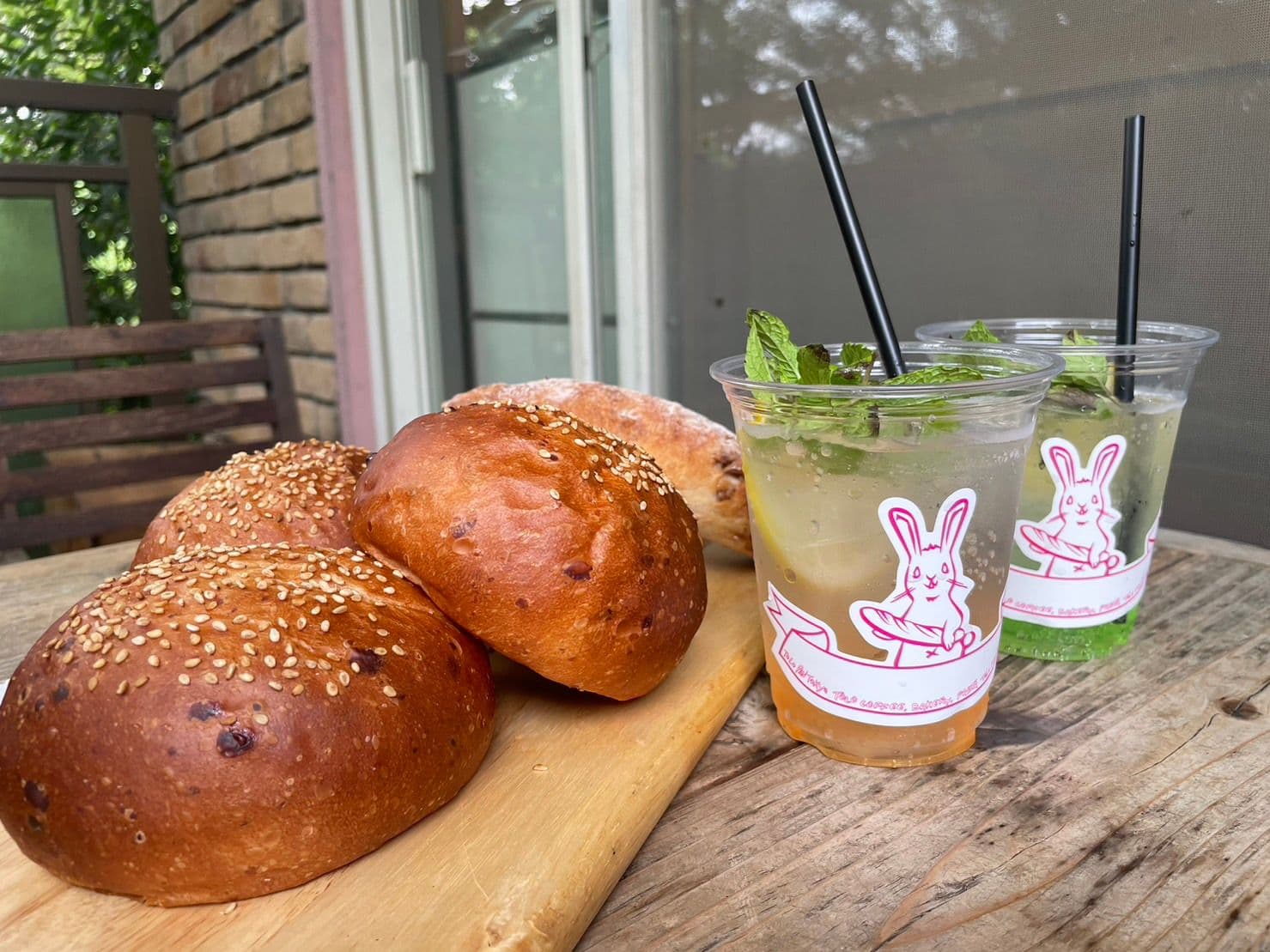
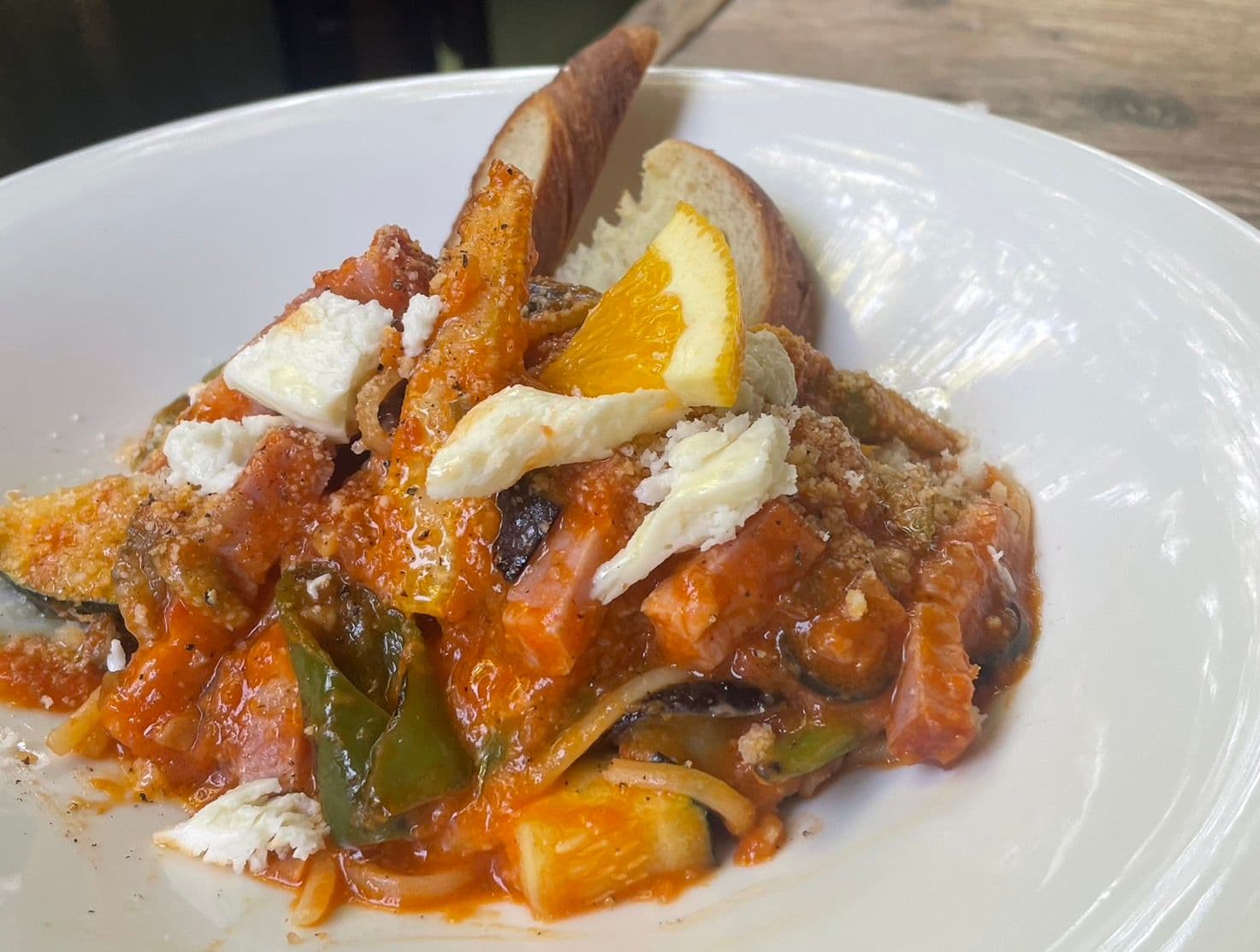
We’re a café where you can enjoy freshly baked bread, sandwiches, and homemade fresh pasta along with coffee, and we’re visited by customers of all ages. We also have a lot of overseas guests who are visiting Japan as tourists.
The shop is located on the second floor of a detached house that was originally used as a residence, and it seems that people also like the atmosphere of the exterior and interior.
— Please tell us why you decided to consider introducing Respo Self-Order.
As expected, the COVID-19 pandemic was the major turning point. When warnings were being issued about dining out, we had no choice but to temporarily stop operations, and as a result our staff was reduced to nearly half. As we gradually resumed business afterward, we realized we needed to introduce a system that would let customers visit with peace of mind and allow us to operate even with a small number of staff.
— What was the deciding factor in choosing to implement it?
The deciding factors were that it allows contactless self-ordering, has low running costs, and seemed to be a system that would be easy to implement. It didn’t look like we would need to purchase any large equipment, and in actual use, there didn’t seem to be any physical difficulties either.
Once we actually decided to implement it, everything moved very quickly. It was really helpful that we were able to start using it about two weeks after our initial inquiry. Even after implementation, they listen to feedback from us as individual users, like “It would be even better if it could do this,” and work to make the system better, which I really appreciate.
Work hours and workload are reduced, allowing you to use spare moments for prep and other tasks.
— After introducing Respo Self-Order, what kind of changes have you seen?
To be honest, when we first introduced it, the staff were really confused (laughs). But I was convinced that bringing in Respo Self-Order would definitely be beneficial for them as well, so from the moment we implemented it, we kept experimenting with how to structure the operations and so on, and it feels like we all worked together to get it on track.
Once we actually started using it, we realized that being able to place self-orders contactlessly basically means fewer staff operations are needed, so the amount of work and the workload have gone down.
Before we introduced it, I thought we’d probably need a few more staff, but now I feel that we’re able to manage with our current headcount, and we can use spare moments to do prep and other tasks. The wait for orders and payment during busy times has been eliminated, and our table turnover has improved.
Self-ordering is easy to use even for customers from overseas
—How are the customers reacting?
We get a lot of customers from overseas who are visiting Japan as tourists, but because restaurant culture is different from their home countries, they often ask us, “How am I supposed to place an order here?”
However, with self-ordering, if you create a flow where you guide customers to their seats and have them scan a QR code to place their order, they can view the menu and order from their smartphone screen, so customers are able to place their orders without any confusion.
In Japan, it’s still common for paper menus to be placed on the table and for staff to come and take orders directly, but self-ordering systems themselves are now starting to spread, aren’t they? After going through the COVID-19 pandemic, various new services and systems were introduced, and I think some of them have caught on while others haven’t. Among these, I imagine the number of restaurants adopting self-ordering will continue to grow from here on.
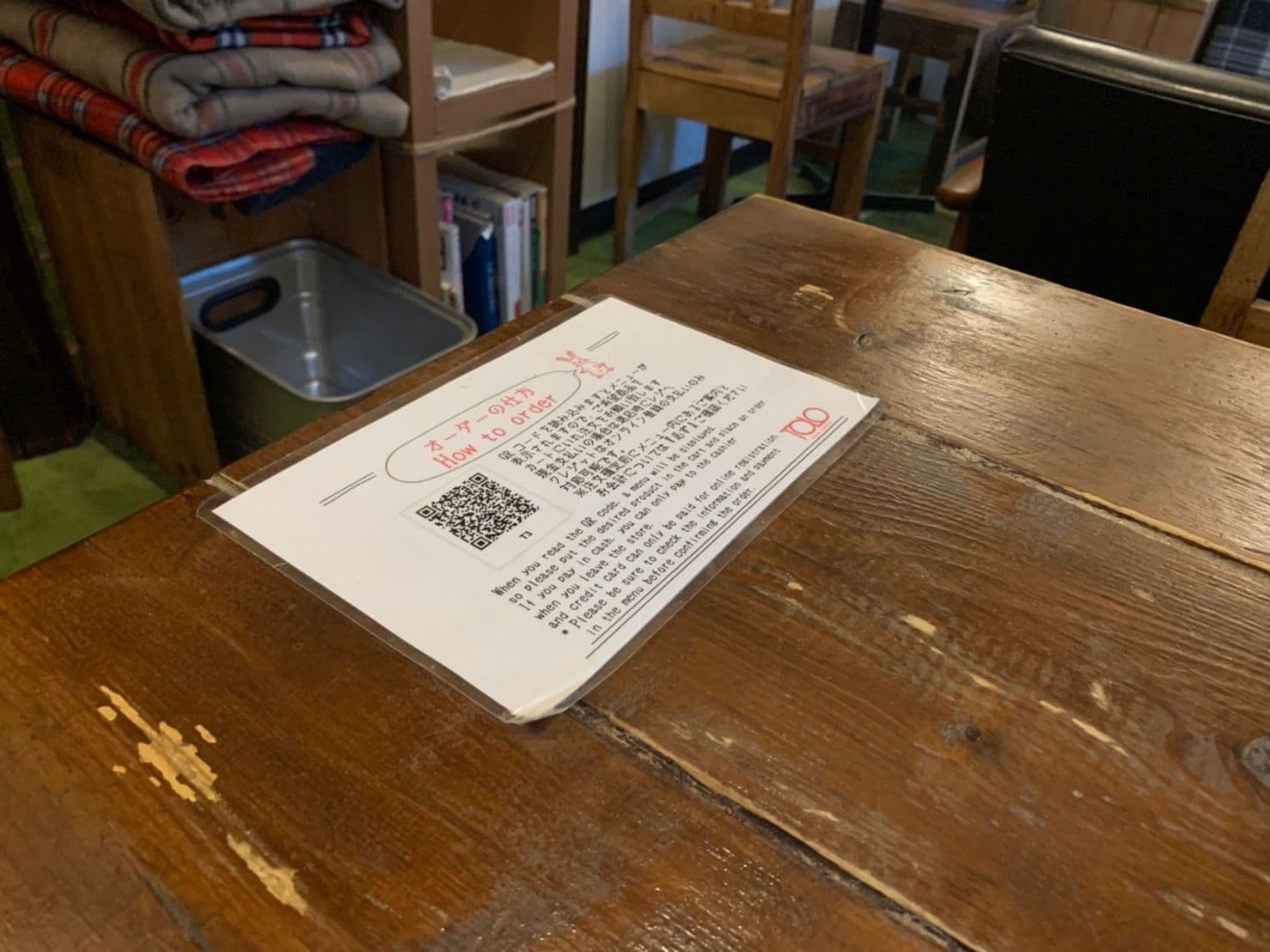
We want to make good use of the system and gradually return to our pre-COVID business hours.
— Do you have any plans for the future of the shop?
Since the COVID-19 pandemic, we’ve had to shorten our business hours due to staffing issues, so first of all we’d like to restore them to what they were before COVID. There are plenty of job openings in the food and beverage industry, but in reality we’re not getting as many applicants as we’d hoped. That’s why we want to make good use of systems like Respo Self-Order and aim for an operating style that allows us to stay open all day even with a small staff.
— What kind of stores would you recommend Respo Self-Order for?
I think it would be incredibly helpful for places run by just one person or a very small staff, and it should be easy to use for almost any type of restaurant.
I think it would be incredibly helpful for places run by just one person or a very small staff, and it should be easy to use for almost any type of restaurant.
Each store has its own challenges, but as long as you understand and are comfortable with a business style that uses a self-ordering system, I believe you will benefit from it to some extent.
Store Information
TOLO coffee&bakery
Address: 5-3-1 Daita, Setagaya-ku, Tokyo
Store details:https://autoreserve.com/restaurants/8juFLDmE7NE1JpGr7NYe
Store details:https://autoreserve.com/restaurants/8juFLDmE7NE1JpGr7NYe