Introducing the system has made our multitasking hall operations astonishingly efficient. “The constantly updated new features are also very user-friendly, and it’s become an indispensable service for us.” (Saken Shokusho Shime TAGURU)
Sakenomikyoshoku Shime TAGURU is a restaurant located in Kamata, Tokyo.
Carrying on the Edo-period traditions of “soba-mae” and “soba-ya nomi” (enjoying drinks and small dishes at a soba shop), they run a place specializing in “soba-ya sake.” It’s a restaurant where you can enjoy their house-made soba and seasonal ingredients together with alcohol.
They originally opened in Minamirinkan, Kanagawa Prefecture, and after 15 years relocated to Kamata just before the COVID-19 pandemic. Since then, they have introduced Respo by AutoReserve (“Respo” below) for their reservation ledger, POS register, and self-ordering system. This has especially reduced the workload in the dining area, and they say it has opened up brighter prospects for the future.
This time, we spoke with the owner, Mr. Tanaka, about how they came to adopt Respo, his journey as an independent owner, and his outlook going forward.
Creation date: 2025年2月12日
Update date: 2026年2月26日

Table of contents
Admiring Iron Chef, I discovered the path of soba while in the midst of my training.
---Please tell us what prompted you to start your own business.
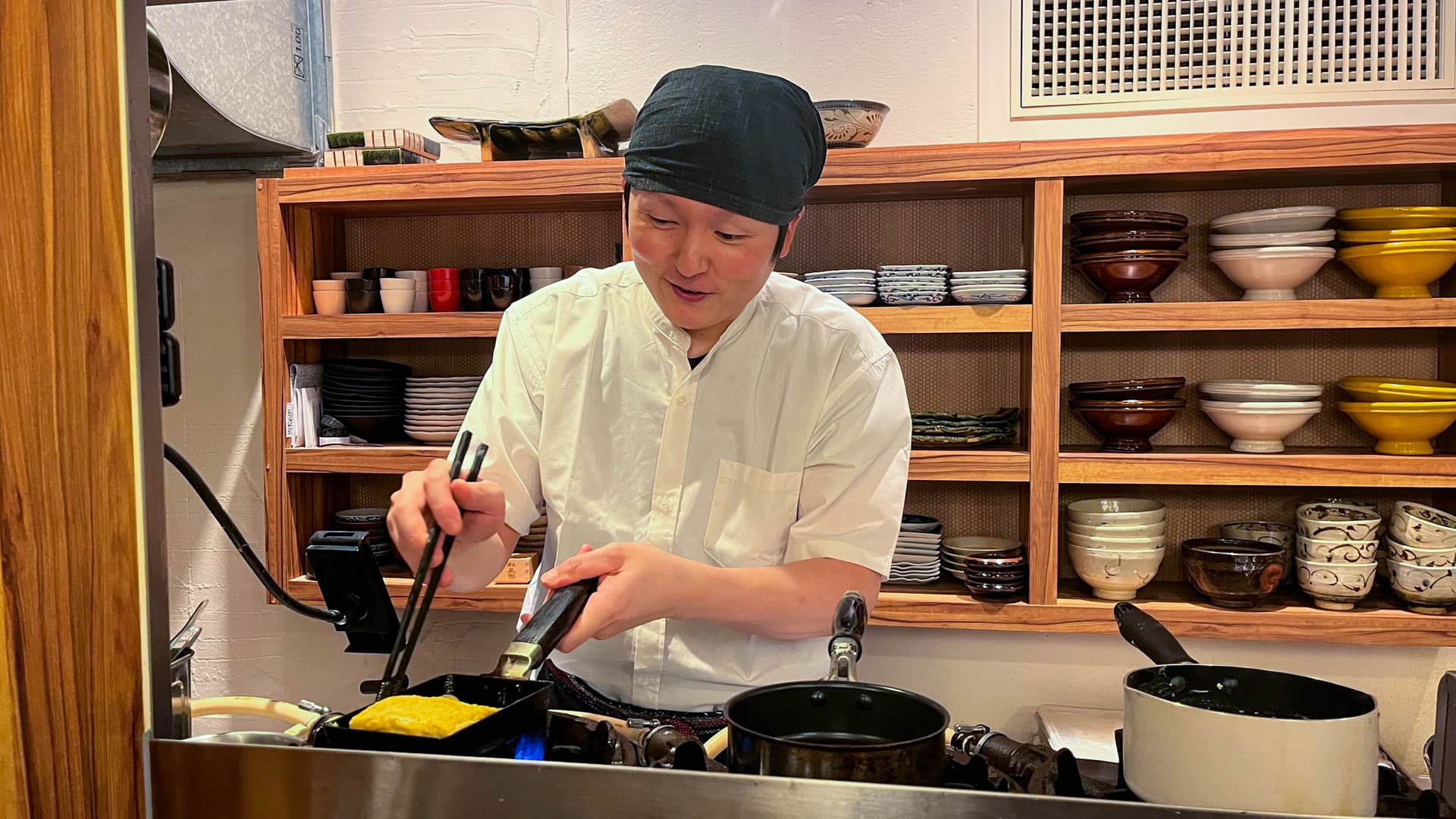
I graduated from culinary school at 16, trained for five years at a traditional ryotei inn in Kyoto, then worked at a soba restaurant in Tokyo before opening this place at 25. This year marks exactly our 20th anniversary. The original reason I decided to become a chef was that I admired the famous chefs I saw on television programs.
After I later entered the culinary world, I also went around visiting soba restaurants with an acquaintance who loved soba, while training as a chef. When I consulted that acquaintance about my future prospects, they told me, “With Japanese cuisine there are just too many things you have to do, so it’s better to narrow down the genre to some extent.” That advice also helped guide my decision to start a soba restaurant.
---Please tell us how the shop got its name.
"TAGURU" comes from the phrase "soba wo taguru" (meaning "to eat soba"). I thought writing this expression in kanji might feel a bit awkward, so I chose to render it in Roman letters instead. Originally, this phrase "soba wo taguru" was used by carpenters in the Edo period who were fond of soba. It is said to come from the fact that, in the process of building houses, they frequently used cords, and they likened the much longer soba noodles of that time to those cords and called them that way.
Also, “Shuton Kyoshoku” is a coined term I came up with when I was thinking about opening a soba restaurant where people could enjoy drinking. I felt that calling it a “soba izakaya” wouldn’t be very stylish, so I took inspiration from the regional folktale of “Shuten Dōji” and created this name.
———Please tell us about the thing you struggled with most, or any memorable episode, around the time before and after starting your business.
By a stroke of luck, I was able to open a restaurant in Minamirinkan, Yamato City, Kanagawa Prefecture 20 years ago, but at first I was confused by how differently people here viewed what in Tokyo is called a soba restaurant (where soba is something you enjoy while drinking). At that time, it was still completely normal for people to eat rice dishes like katsudon or tendon together with soba as a set, so I had no choice but to start by spreading the idea of enjoying alcohol and soba together. Especially in the beginning, running the business was very difficult.
Also, maybe because I was in my twenties at the time, people would say things like “a kid is running the shop,” or make baseless remarks over the phone. I’ve also been hit by reputational damage on social media.
Even so, we managed to keep the business going for 14 years after opening, and our soba-and-sake style was gradually becoming better known. However, when a major automobile manufacturer closed its factory and then the Lehman Shock hit on top of that, the overall atmosphere of the Minami-Rinkan area itself began to change, and seeing this, we decided to relocate to Kamata.
"Supporting Independent Shops Through DX" – The Impact It Had on Me and the Journey to System Implementation
---Why did you choose Respo? Please also tell us what you think about its usability.
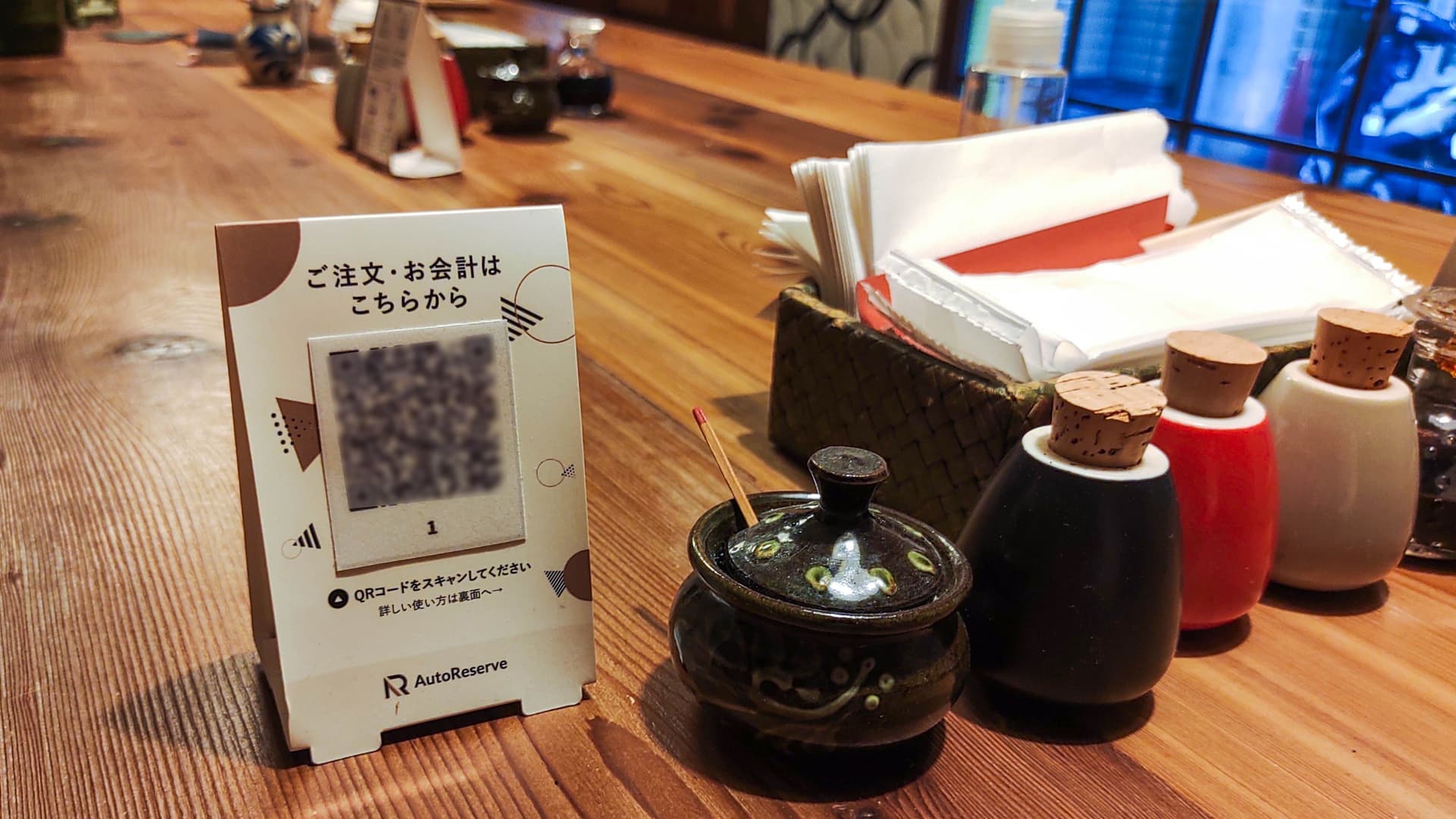
It all started with AutoReserve, which one of our customers was using. I became interested and looked into it, and that’s when I found out that AutoReserve offers a service for store owners called “Respo.”
At the time, we were using another company’s register system, but since it was designed for large stores, we found it difficult to use. We discovered that Respo not only offers a reservation ledger but also POS registers and self-ordering, and that its monthly fee is relatively inexpensive, so we decided to switch to Respo.
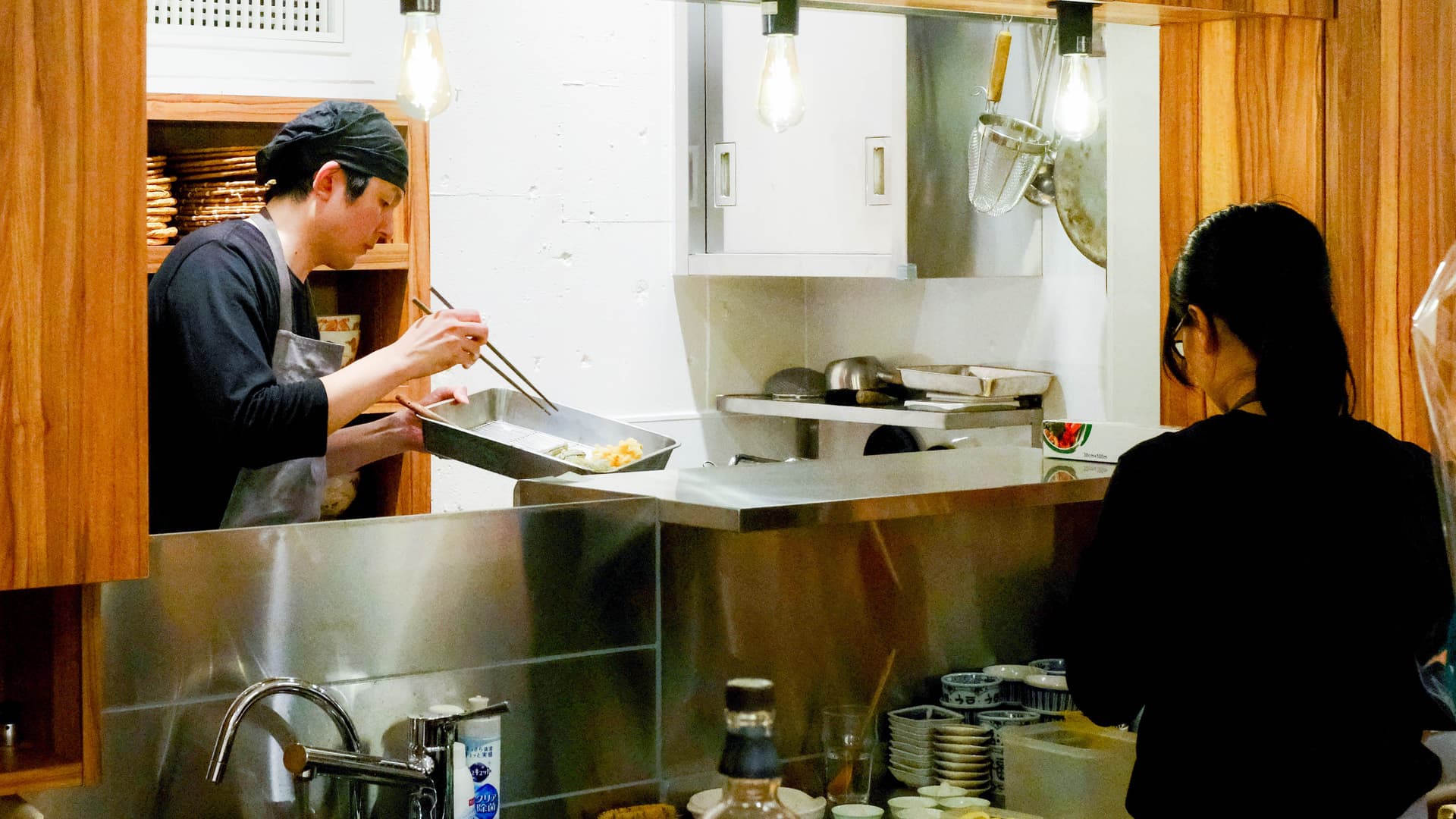
What has been especially helpful about Respo’s usability is the self-ordering feature. For example, when we add new staff to the floor, we have to train them on a wide range of tasks alongside their actual work—customer service, handling the register, making drinks, answering the phone, and so on. However, after introducing the Respo self-order system, we’ve been able to reallocate the time previously spent on taking orders to other tasks. As a result, we can now pay attention to the finer details of each individual task and carry them out more carefully.
"Keeping the culture of soba restaurants where you can drink alive." Store management for long-term sustainability
---Please tell us about the passion and feelings you have that make you confident your shop won’t lose to any other.
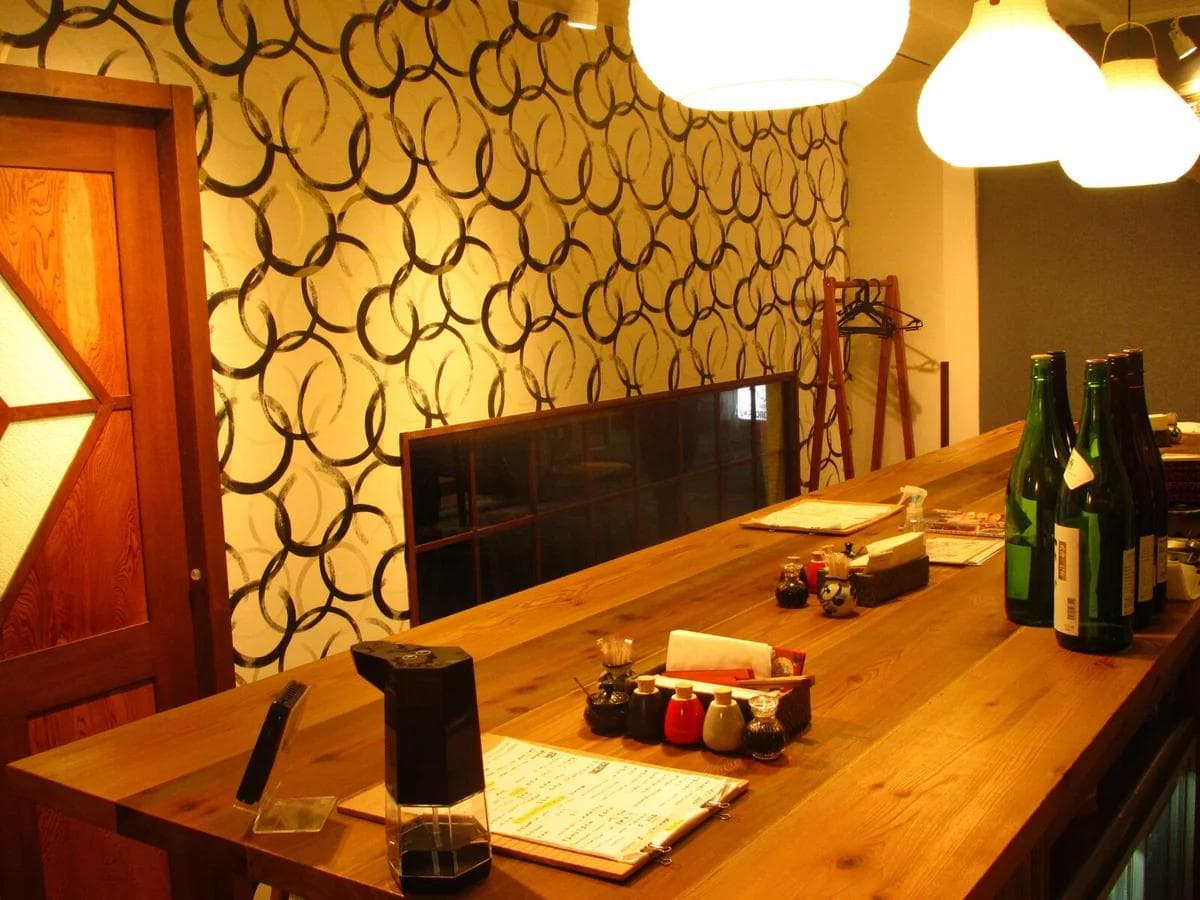
What really defines us is that we’re a place where you can enjoy drinking at a soba restaurant, savoring the unique experience of ‘soba-ya sake.’ To make that possible, we are absolutely thorough about quality control. Of course, that includes things like using buckwheat sourced from contracted farmers and milling it in-house, as well as carefully selecting our dishes and drinks. But we also put a lot of effort into creating an atmosphere where you can truly enjoy the soba-ya sake experience.
The culture of enjoying soba with alcohol began to spread when an original liquor shop in old Edo suggested selling sake during the time it took to boil the soba. Our establishment believes it plays an important role in carrying on this long-standing culture of drinking soba into the present day.
———Do you have any advice for people who are about to open a restaurant or food business?
I think it’s fairly well known that you can open a business even without having a cook’s license, but for example, if you’re running a place that serves alcohol, it might be a good idea to obtain qualifications such as sake-tasting knowledge or other certifications beyond those defined by national exams.
I think you’ll also need general knowledge about running a store. In particular, you should deepen your understanding of real estate. Since this is a world where everything is governed by the contract between landlord and tenant, I recommend that you be very careful and thorough when choosing your tenants.
Also, when it comes to interior construction, people tend to leave everything to the contractor, but I think it’s worthwhile to at least have some knowledge of things like workflow and efficiency in the kitchen, as well as the characteristics of each manufacturer’s equipment and the general price ranges.
Future prospects opened up by the system implementation
---How would you like to develop your shop from here on?
Until now, my wife and I have run this place just the two of us, but going forward we’d like to increase our staff, build a team, and eventually shift to a corporate structure. The reason we’ve been able to develop this kind of vision is precisely because we introduced Respo’s system, which has allowed us to greatly improve the efficiency of the time we spend on staff training. From here on as well, we want to keep up this momentum and work toward our goal of spreading the appeal of good soba and sake to even more customers.
Store Information
Sake, Soba, and Dining TAGURU
Address: 1F B, Tsukasa Building, 5-3-7 Kamata, Ota-ku, Tokyo
Phone number: 050-1808-8386
Store information: https://autoreserve.com/restaurants/ML6uXf4w7ZWpKFdb26gz
Phone number: 050-1808-8386
Store information: https://autoreserve.com/restaurants/ML6uXf4w7ZWpKFdb26gz